
Hey, I’m Cindy, the Tax Manager here at Bette Hochberger CPA, CGMA. If you’re a sole proprietor, understanding and correctly filing Schedule C Form 1040 is crucial for accurately reporting your business income or losses to the IRS. So today, I’m going to break down the essentials of this form, covering what it is, who needs to file it, and how to fill it out.
What is Schedule C?
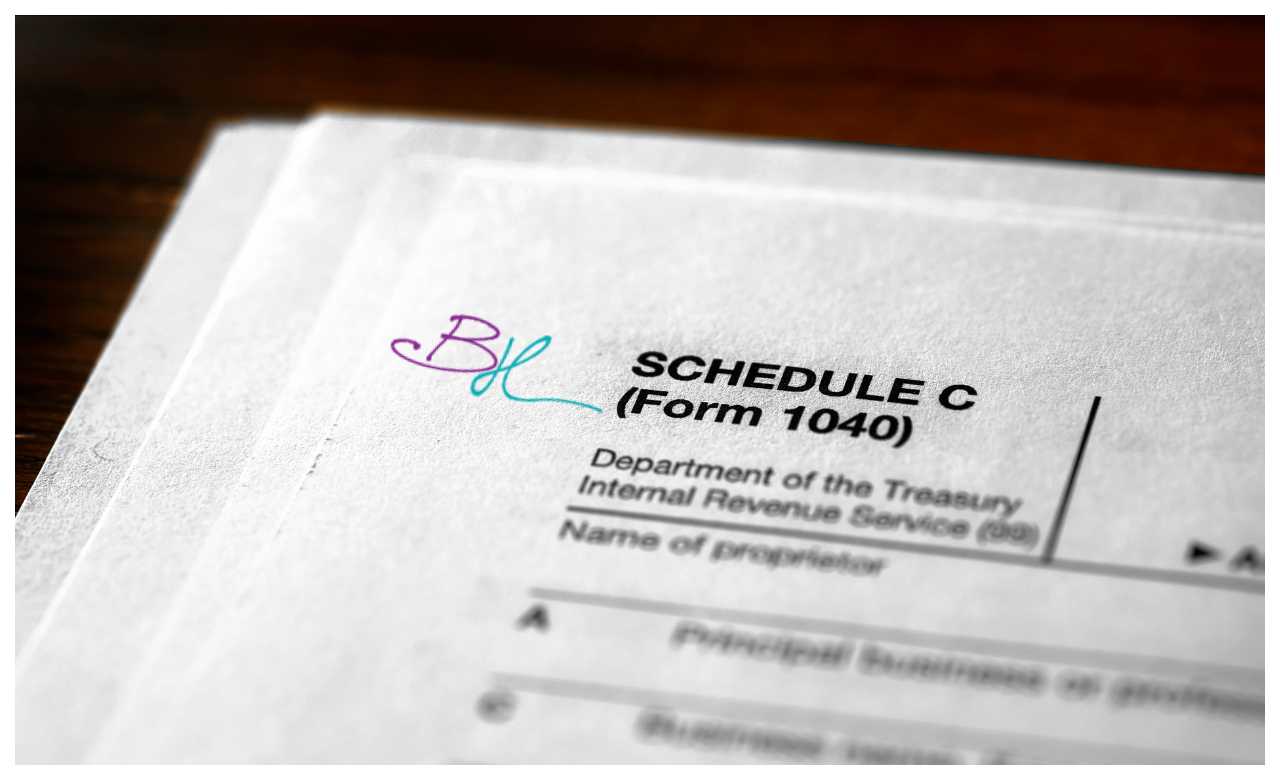
Schedule C, also known as Form 1040, is a tax form used by sole proprietors to report their business income or losses to the IRS. It details the revenue, expenses, and net profit or loss generated by the business during the tax year.
Do I Need to File Schedule C?
You need to file Schedule C if you operated a business as a sole proprietorship and your business generated a profit or loss during the tax year. This includes freelancers, independent contractors, and small business owners who have not formed a separate legal entity such as a corporation or partnership.

How Do I Fill It Out?
- Gather Your Financial Records: Collect all relevant financial records, including income statements, receipts, invoices, and expense records for the tax year.
- Complete Part I – Income: Report all business income on Part I of Schedule C. This includes revenue from sales, services, and any other sources related to your business activities.
- Deduct Business Expenses: In Part II, deduct allowable business expenses from your gross income. Common deductible expenses include supplies, utilities, rent, insurance, and professional services.
- Calculate Net Profit or Loss: Subtract total expenses from total income to calculate your net profit or loss for the tax year. Enter this figure on Line 31.
- Transfer to Form 1040: Once you’ve completed Schedule C, transfer the net profit or loss amount to Line 3 of Form 1040, which is your individual income tax return.
- File Electronically or by Mail: You can file Schedule C electronically using tax preparation software or mail it along with your Form 1040 to the IRS.
Filing this form is essential for sole props to accurately report their business income or losses to the IRS. By understanding what Schedule C is, who needs to file it, and how to fill it out, you can ensure compliance with tax regulations and minimize the risk of errors or audits. Take control of your tax responsibilities by mastering Schedule C today!